
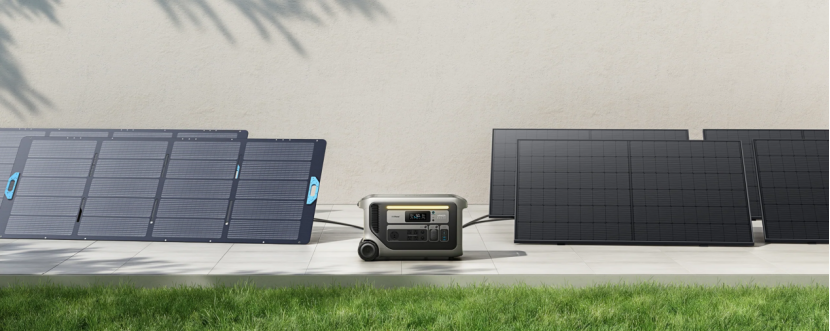
Solar battery banks are changing how people think about energy, but they are also beginning to influence how homes are designed. As storage becomes more capable, flexible, and user-friendly, homeowners no longer treat electricity as something supplied only by the grid. Instead, energy becomes a resource they manage, store, and integrate into everyday routines. This shift affects architecture, room layout, appliance selection, electrical planning, and even how future neighborhoods may evolve. A system like the Anker SOLIX F3000 with a 400W portable solar panel illustrates this direction because it combines fast solar input, smart load management, scalable capacity, and home-ready versatility. Understanding how storage shapes design helps predict what tomorrow’s homes may look like.
How Storage Influences the Structure and Layout of Future Homes
Dedicated Energy Zones Become Part of Standard Layouts
As solar storage becomes common, many homes will include dedicated energy zones rather than scattering power components throughout the house. These areas may function like utility rooms but are designed specifically for solar storage, energy monitoring, and device management. A high-capacity system such as the F3000 encourages this trend because it centralizes both backup and daily-use energy. Builders may design recessed wall spaces, ventilated cabinets, or hybrid indoor-outdoor compartments to house battery systems neatly. These zones simplify wiring, reduce clutter, and allow families to interact with their energy system naturally. Over time, energy zones will likely become as standard as laundry rooms or HVAC closets.
Home Architecture Adapts to Support Solar Input and Storage
Rooflines, outdoor spaces, and wall structures already shift to accommodate solar panels, but storage extends this influence to interior planning. Designers may place south-facing windows or roof decks specifically to optimize solar exposure. Portable solar solutions, like the F3000’s 400W panel, enable more flexible placement and may lead architects to incorporate easily accessible outdoor charging areas or modular panel mounts. Homes may also adopt more open exterior layouts that prevent shading from trees or nearby structures. As storage performance becomes more predictable, architecture will increasingly support efficient capture and distribution of sunlight across the property.
Multi-Use Rooms Integrate Emergency and Daily Power Planning
Families already use rooms flexibly—guest rooms double as offices, garages become gyms—and solar storage extends this flexibility. With a reliable backup source available on demand, more homes may integrate essential loads into shared spaces. For example, a designated fridge circuit supported by systems like the F3000 ensures food security during an outage, influencing kitchen design. Workspaces may include dedicated power ports backed by storage for remote work reliability. RV-friendly homes might include exterior outlets connected to solar storage, enabling travel-ready charging. As energy security becomes part of daily life, multi-use room planning evolves to reflect new priorities.
How Energy Storage Influences Appliances, Behavior, and Home Function
Appliance Choices Shift Toward High Efficiency and Stable Consumption
The solar battery bank encourages households to choose appliances based on predictable consumption rather than maximum power. When people understand their storage capacity, they often prefer efficient refrigerators, induction cooktops, heat-pump dryers, and LED lighting to make better use of stored energy. The F3000, with its low idle draw and strong pass-through charging, supports this transition by running essential appliances reliably. As a result, appliance manufacturers may increasingly design products optimized for solar-powered homes. These choices reshape kitchen layouts, HVAC decisions, and long-term renovation planning.
Homeowners Develop Routines Aligned With Stored Power
Solar storage influences behavior by making energy more visible. Instead of treating consumption as hidden, homeowners plan their routines around battery levels, sunlight availability, and energy priorities. With fast solar recharging and dual-voltage input, the F3000 shows how daily habits can align with natural energy cycles. Users may run high-demand appliances during sunny periods or schedule off-peak usage using smart energy modes. These behaviors eventually influence how homes are built: control panels become more accessible, monitoring screens may integrate into smart-home hubs, and load-specific outlets may be installed where predictable patterns emerge.
Homes Become More Resilient and Less Dependent on External Infrastructure
One of the most significant design changes comes from the desire for resilience. Future homes may include backup-ready wiring, dedicated essential circuits, or optional expansion ports that connect directly to stored solar energy. With the F3000’s scalable capacity—expandable up to 24kWh—families can build layered resilience without redesigning the entire electrical system. This approach may influence neighborhoods as well: communities could feature micro-grid-ready homes, shared solar fields, or integrated energy-sharing systems. Storage does not simply change one house; it shapes how groups of homes interact with the larger grid.

Conclusion
Solar battery banks are reshaping the way future homes are designed by influencing architecture, interior planning, appliance decisions, and family routines. Dedicated energy zones, solar-optimized layouts, and flexible multi-use spaces reflect the growing role of stored power. Appliances become more efficient, daily routines align with sunlight and battery levels, and homes gain resilience built into their electrical structure. A system like the Anker SOLIX F3000 with its 400W portable solar panel demonstrates how fast charging, scalable capacity, and smart load optimization prepare households for this future. As storage becomes central to residential planning, tomorrow’s homes will be more self-sufficient, adaptable, and intentional—ushering in a new era of design shaped directly by how families harness and use their energy.